(434)296-8043
 1227 Cedars Ct,Charlottesville, VA 22903


 Review Us
 Review Us
Gum Disease What Most People Miss
Gum disease is the dental issue that flies under the radar. Cavities you can feel, broken teeth you can see, but gum disease can be quietly wrecking your mouth for years before you notice anything is off. By the time most people pay attention, it’s already done real damage. Let’s get into what it actually is, and the parts most people miss.

What Gum Disease Actually Is
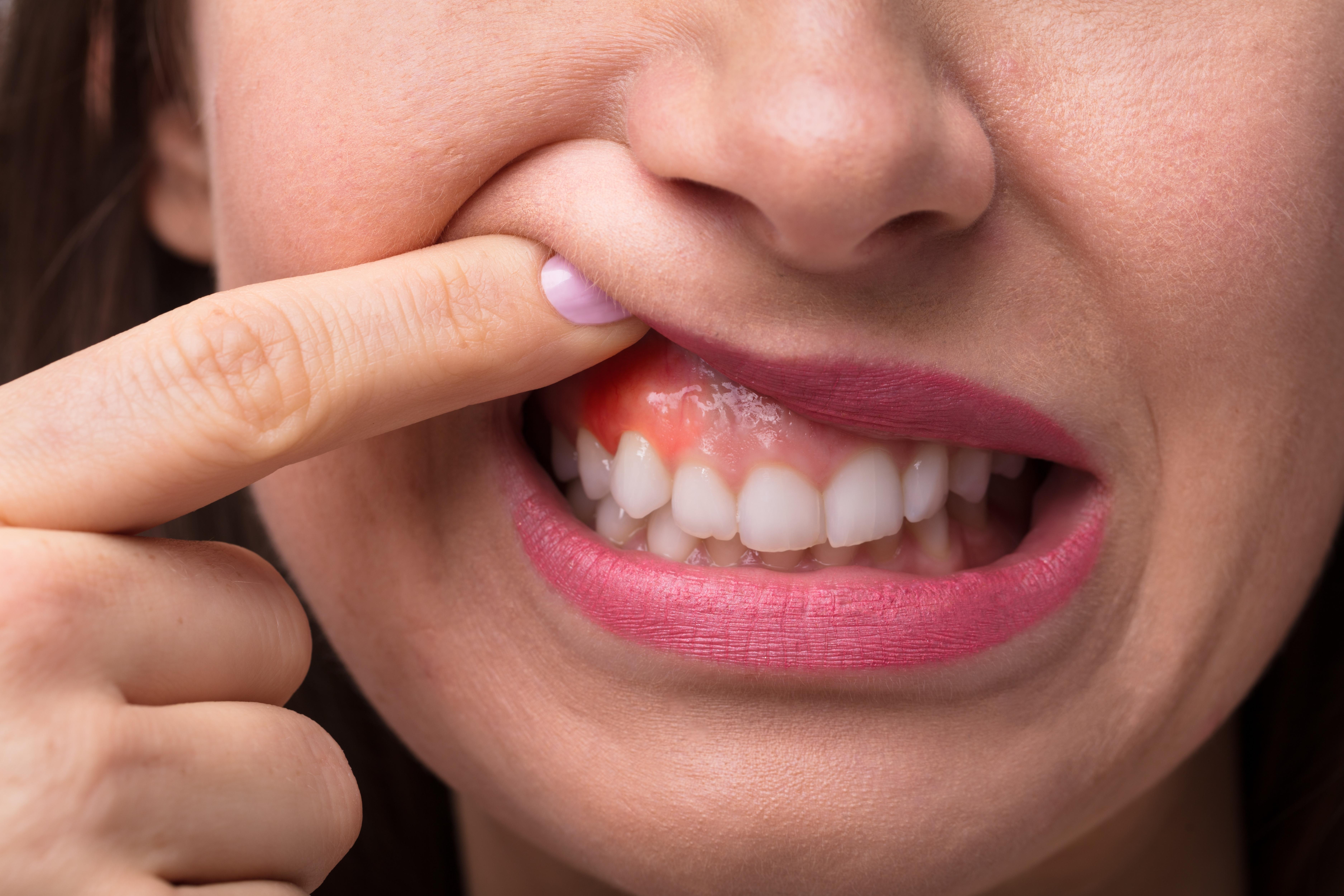
Gum disease is an infection of the tissue that holds your teeth in place. It starts with plaque, the sticky bacterial film that builds up on your teeth every day. When plaque sits too long, it hardens into tartar, and your gums start to react to the bacteria underneath.
It moves through stages:
Stage 1: Gingivitis: the early stage. Gums are red, swollen, and bleed easily. Still reversible.
Stage 2: Early periodontitis: the infection starts pulling the gums away from the teeth, creating small pockets.
Stage 3: Moderate periodontitis: the pockets get deeper, bone loss begins, teeth may start feeling looser.
Stage 4: Advanced periodontitis: significant bone and tissue loss, teeth shift or fall out.
The earlier you catch it, the easier it is to deal with. That’s the whole game.
What Most People Miss #1: Bleeding gums are not normal
This is the big one. People see a little bit of blood in the sink and shrug it off as brushing too hard. Healthy gums don’t bleed. Not from brushing, not from flossing, not from eating an apple. If yours does, that’s the first sign something is off, and it’s worth a phone call to your dentist.
What healthy gums actually look like:
- Pink, firm, and snug against the teeth
- No bleeding when you brush or floss
- No tenderness or swelling
- No bad breath that won’t go away
What Most People Miss #2: It’s mostly painless until it isn’t
Gum disease doesn’t hurt much in the early stages. There’s no sharp ache, no obvious signal that something is wrong. That’s exactly why it gets so far before people act. By the time it does hurt, you’re usually past gingivitis and into territory that’s harder to reverse. If you’re waiting for pain to tell you something is wrong, you’re going to be waiting until the damage is done.

What Most People Miss #3: Your gums are connected to the rest of you
The bacteria causing gum disease don’t stay in your mouth. They get into the bloodstream, and the inflammation they trigger has been linked to a long list of conditions:
- Heart disease and stroke
- Diabetes and worse blood sugar control
- Pregnancy complications, including premature birth
- Respiratory infections
- A higher risk of dementia and Alzheimer’s
Your mouth isn’t a separate system. What happens there shows up everywhere else.
What Most People Miss #4: Brushing harder doesn’t help
When people notice their gums looking rough, the instinct is to scrub harder. That makes it worse. Aggressive brushing damages gum tissue and wears down enamel, but it doesn’t get rid of the bacteria sitting below the gum line. That part needs a professional cleaning.
What actually works:
- A soft-bristle brush, held at a 45-degree angle to the gum line
- Small, gentle, circular motions
- Flossing every day to clear what the brush can’t reach
- An electric toothbrush if your technique is shaky
- Professional cleanings every six months, or more often if you’re prone to issues
Signs You Might Have Gum Disease
Some of these are easy to miss. None of them mean you definitely have gum disease, but all of them are worth checking out:
- Gums that bleed when you brush or floss
- Red, swollen, or tender gums
- Gums that look like they’re pulling back from your teeth
- Persistent bad breath or a bad taste that won’t go away
- Teeth that feel loose or have started shifting
- A change in how your teeth fit together when you bite
- Pus or sensitivity along the gum line
What Treatment Actually Looks Like
Treatment depends on how far things have gone. For most people, it’s not as bad as they expect:
Early stage (gingivitis): A regular cleaning and better home habits are usually enough.
Moderate stage: A deep cleaning called scaling and root planing, which clears bacteria from below the gum line.
Advanced stage: May involve antibiotics, gum surgery, or bone grafting to repair what was lost.
The earlier you start, the simpler the fix. That’s the pattern with almost everything in dentistry.
How to Keep Your Gums Healthy
None of this is complicated. It’s just consistent:
- Brush twice a day for two full minutes
- Floss every single day, not just when something is stuck
- Skip the alcohol-based mouthwash if your gums are already irritated
- Don’t smoke or use tobacco, which makes gum disease dramatically worse
- See your dentist every six months
- Manage conditions like diabetes that make gum disease harder to control
- Pay attention to bleeding, swelling, or anything that feels off

The Bottom Line
Gum disease isn’t dramatic. It doesn’t announce itself. It just quietly sets up shop and stays there until something major goes wrong. The good news is that catching it early is easy if you know what to look for, and treating it early is straightforward. A little attention now saves a lot of trouble later.