(434)296-8043
 1227 Cedars Ct,Charlottesville, VA 22903


 Review Us
 Review Us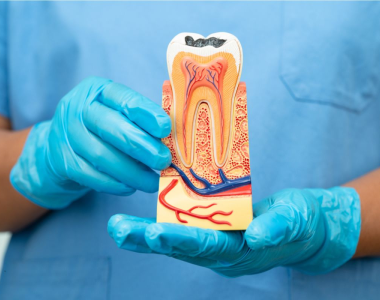
Root Canals: Myths vs. Facts
Few dental procedures have a worse reputation than the root canal. Bring one up at dinner, and you’ll have at least one horror story. But here’s the thing, most of what people fear about root canals hasn’t been true for decades. The procedure has changed, and so should the conversation around it. Let’s clear up what a root canal actually is.

What a Root Canal Actually Does
Inside every tooth is a soft tissue called the pulp. It holds the nerves and blood vessels that keep the tooth alive while it is developing. When that pulp gets infected or inflamed usually from deep decay, a crack, or an injury it has to come out. Otherwise, the infection spreads, the pain gets worse, and you risk losing the tooth entirely.
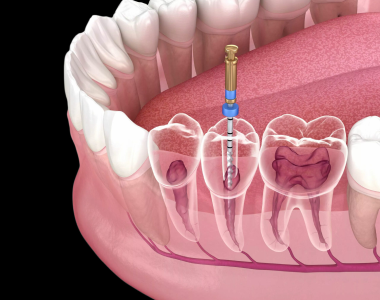
A root canal is how dentists save a tooth. Here’s what happens during the procedure:
- The dentist numbs the area so you stay comfortable
- The damaged or infected pulp is removed from inside the tooth
- The inner canals are cleaned and disinfected
- The tooth is filled and sealed to keep bacteria out
- A crown is usually placed afterward to protect and restore the tooth
That’s it. No mystery, no medieval torture device.
Myth #1: Root canals are excruciating
This is the big one, and it’s outdated. Modern root canals feel about the same as getting a filling. Anesthetics and tools are better, and most patients say the procedure itself was a non-event.
Here’s what’s actually true:
- The pain people associate with root canals is from the infection, not the treatment.
- The procedure relieves pain rather than causing it.
- Most people are back to normal activities the next day.
- Mild soreness for a day or two is the most common after-effect.
Myth #2: Pull the tooth instead
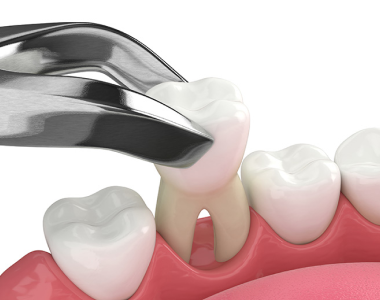
Pulling sounds simpler. It’s usually not, at least not in the long run. Saving your natural tooth, when possible, is almost always the better call. Here’s why:
- Natural teeth are stronger and work better than any replacement.
- Missing teeth let neighboring teeth drift out of position.
- The bone underneath shrinks over time without the pressure of chewing.
- Implants and bridges cost more than a root canal would have
- Chewing and speaking feel more natural with your own tooth in place.
Myth #3: Root canals make you sick
This one refuses to die, but it should. It traces back to research from the 1920s work by a dentist named Weston Price that was criticized at the time and thoroughly discredited by the 1930s. Yet it still circulates online, often in scary documentaries and social media posts.
The science on this is settled:
- No valid evidence links root canals to disease elsewhere in the body.
- Major dental and medical organizations confirm the procedure is safe.
- Untreated tooth infections are a real health risk.
- Chronic dental infections have been linked to inflammation that may affect heart health, pregnancy, and blood sugar control.
The root canal isn’t the threat. The infection is.
Myth #4: It takes forever
Most root canals are done in one or two visits, and the procedure is more efficient than people expect. What a typical appointment looks like:
- Numbing the area takes just a few minutes
- The treatment itself usually runs 60 to 90 minutes
- You can drive yourself home afterward
- A short follow-up visit may be needed for the permanent crown
Signs You Might Need a Root Canal
Catching this kind of problem early makes everything easier. None of the signs below mean a root canal is guaranteed, but all of them are worth a phone call to your dentist:
- Tooth pain that lingers or gets worse when you chew
- Sensitivity to heat or cold that hangs around after the source is gone
- Swollen, tender, or darkened gums near a specific tooth
- A tooth that looks noticeably darker than the ones beside it
- A small pimple like bump on the gum near the tooth
- A cracked, chipped, or deeply decayed tooth
What Recovery Looks Like
For most people, recovery is unremarkable. Some mild soreness for a day or two is normal, and it’s easy to manage with a few simple habits:
- Avoid chewing on the treated side until the permanent crown is placed
- Stick to softer foods for the first day or two
- Take pain relievers as directed if you need them
- Brush and floss as usual, gently around the treated tooth
- Schedule the follow-up appointment promptly to finish the restoration
How to Avoid Needing One in the First Place
The best root canal is the one you never need. The basics still work:
- Brush twice a day for two minutes with a quality toothpaste
- Floss daily to clear plaque from between your teeth
- See your dentist every six months for a cleaning and checkup
- Wear a mouthguard for sports or nighttime grinding
- Treat cavities early before they reach the inner pulp
- Don’t ignore tooth pain, sensitivity, or swelling
The Bottom Line
Root canals aren’t what they used to be. They’re safe, they’re comfortable, and they save teeth that would otherwise be lost. If fear or old information has been keeping you from making the appointment, talk to your dentist. The sooner the infection is dealt with, the easier the whole thing goes.