
Replace one or more missing teeth with a custom dental bridge — a fixed, natural-looking restoration that restores your smile, your bite, and your confidence without surgery.
Replace Missing Teeth
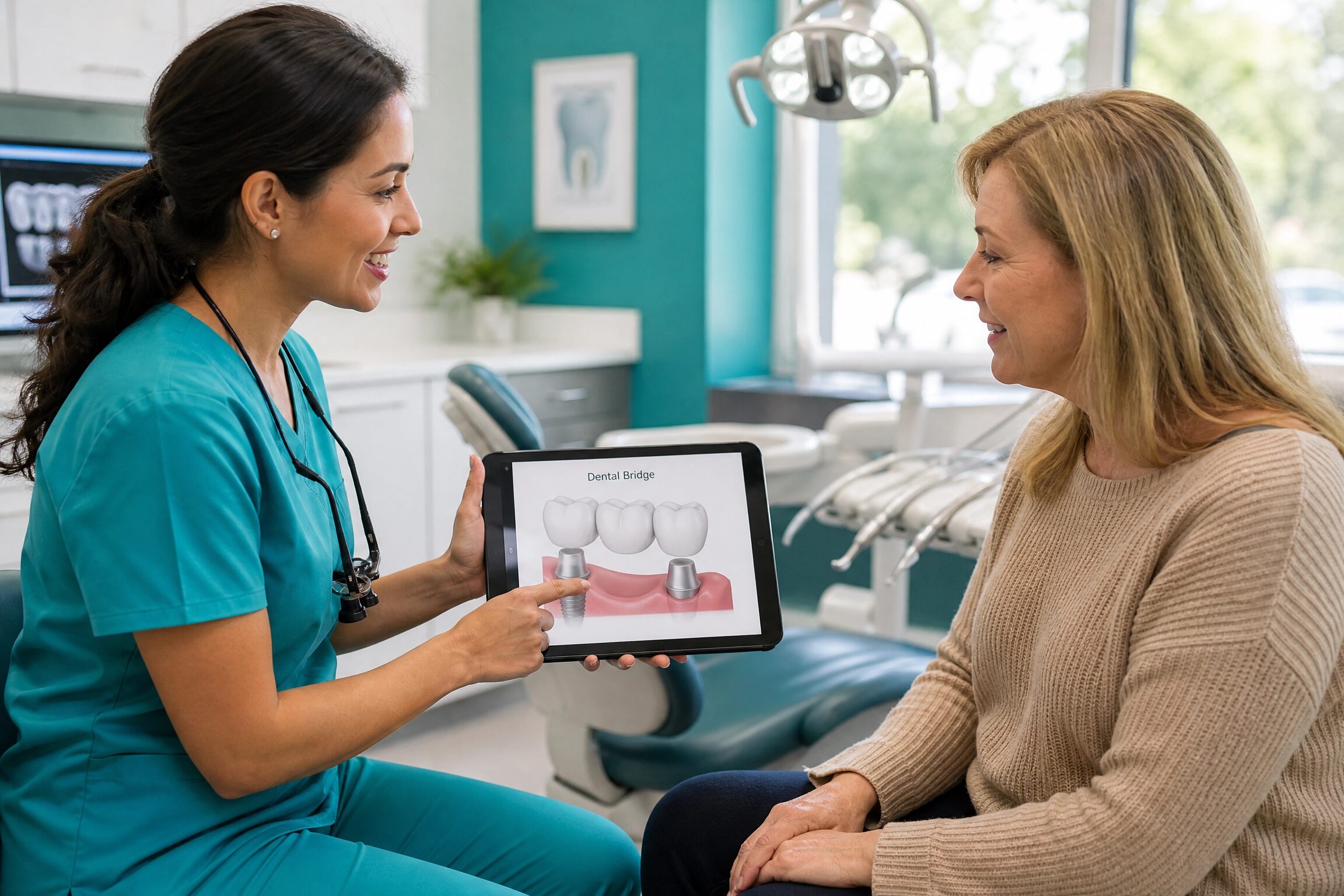
A missing tooth is more than a cosmetic concern. When a tooth is lost, the surrounding teeth begin to drift into the empty space, the opposing tooth can over-erupt, and the jawbone in that area gradually loses density. A dental bridge addresses all of these consequences by filling the gap with a custom-crafted artificial tooth anchored to the adjacent teeth or implants.
At Charlottesville Dental Associates, we’ve been restoring missing teeth with dental bridges for over 25 years. We take the time to evaluate your specific situation — the health of the adjacent teeth, the condition of your bite, and your long-term goals — before recommending a bridge or any other tooth replacement option.
Both dental bridges and implants are excellent options for replacing missing teeth. The right choice depends on your bone density, the health of adjacent teeth, your timeline, and your preferences. We’ll give you an honest assessment of both options at your consultation.
When a Bridge May Be the Right Choice
A dental bridge is designed to replace one to three consecutive missing teeth in a single restoration, restoring appearance and function in the affected area.
When the teeth on either side of the gap are healthy and strong, they can serve as effective anchors (abutments) for a traditional bridge — making a bridge a practical choice.
If the teeth next to the gap already have large fillings or damage that warrants crowns, a bridge may be particularly efficient — addressing both the missing tooth and the adjacent restorations simultaneously.
Dental implants require adequate bone density. When bone loss has occurred and a bone graft is not desired, a bridge can be an effective alternative for replacing the missing tooth.
Unlike dental implants, bridges do not require surgery or a healing period. For patients who prefer to avoid surgical procedures, a bridge provides a reliable, non-surgical tooth replacement.
If adjacent or opposing teeth have already begun to shift toward a gap, a bridge can halt further movement and restore proper alignment and bite function.
The Most Common Bridge Type
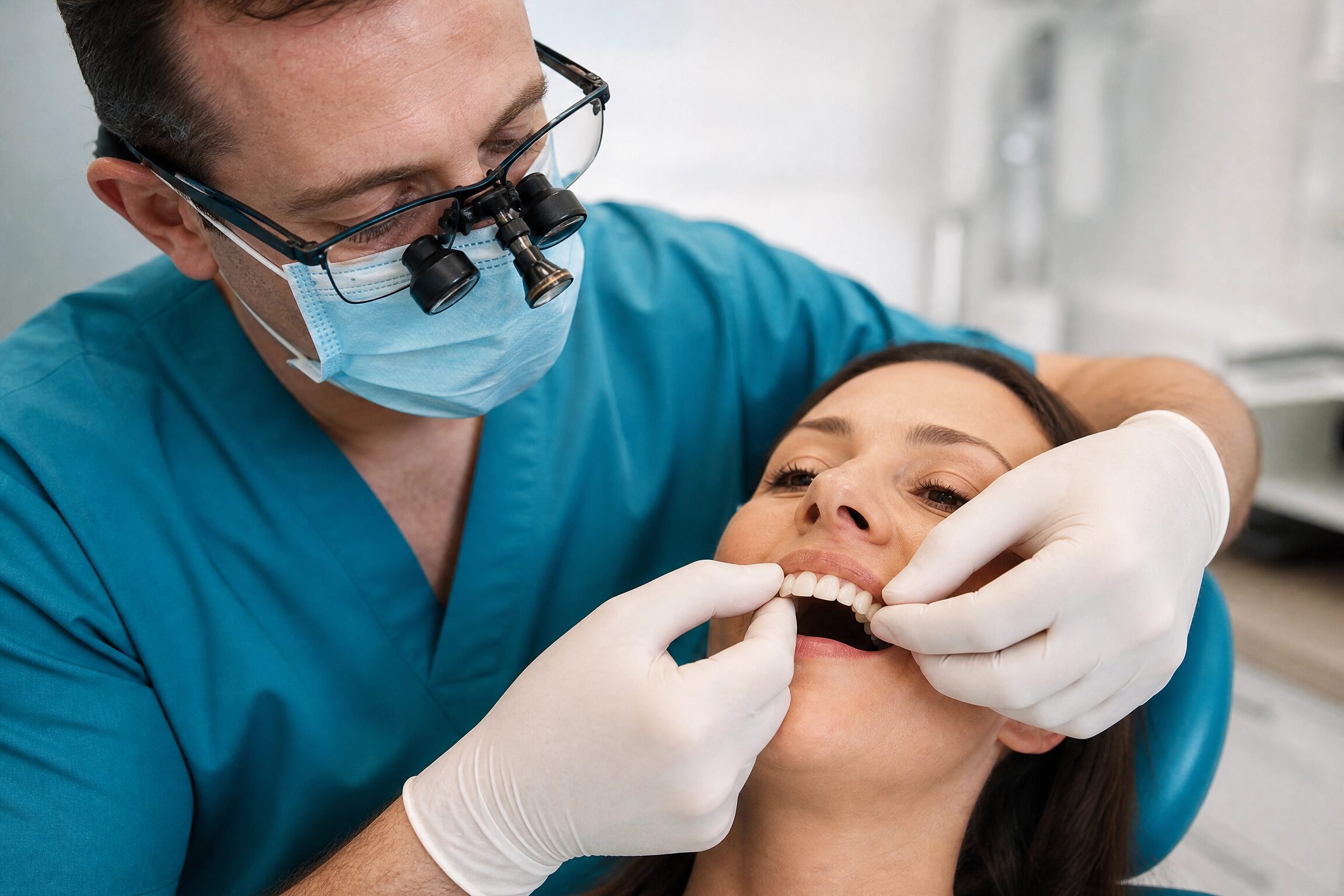
A traditional dental bridge consists of one or more artificial teeth (pontics) held in place by dental crowns cemented onto the teeth on either side of the gap. The crowns and pontic are fabricated as a single unit from porcelain, zirconia, or a combination of materials — custom-designed to match the color, shape, and size of your natural teeth.
Traditional bridges have been used successfully in dentistry for decades. When properly placed and maintained, they provide reliable function and a natural appearance that most patients find indistinguishable from their original teeth.
When Only One Adjacent Tooth Is Available
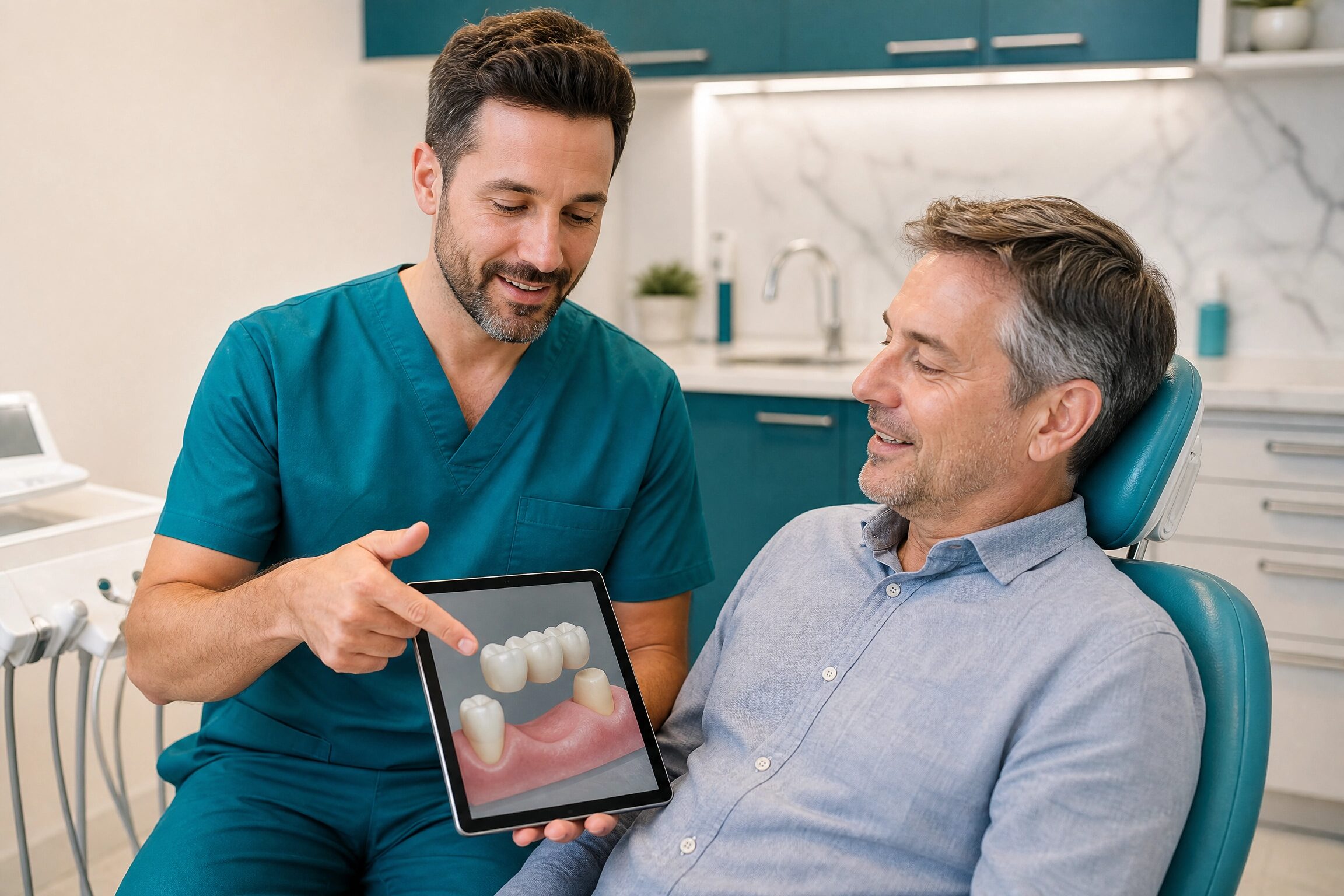
Not every missing tooth situation calls for a traditional bridge. A cantilever bridge is used when there is only one adjacent tooth available to support the restoration — typically in areas of the mouth with lower bite forces. A Maryland bridge (also called a resin-bonded bridge) uses metal or porcelain wings bonded to the backs of adjacent teeth, requiring minimal preparation of the supporting teeth.
We’ll evaluate your specific situation and recommend the bridge type that best balances function, longevity, and preservation of your natural tooth structure.
Serving Charlottesville & Surrounding Communities
An implant-supported bridge replaces multiple missing teeth by anchoring the bridge to dental implants rather than natural teeth — eliminating the need to crown healthy adjacent teeth. This option is particularly well-suited for replacing three or more consecutive missing teeth, or when the adjacent teeth are healthy and should not be prepared for crowns.
We serve patients from throughout the greater Charlottesville area — including Crozet, Waynesboro, Staunton, and Albemarle County — who are seeking tooth replacement options. Whether a traditional bridge or an implant-supported bridge is right for you, we’ll help you make an informed decision.

Caring for Your Bridge Long-Term
The longevity of a dental bridge depends significantly on how well it is maintained. Unlike natural teeth, the area under the bridge (beneath the pontic) requires special attention because a regular toothbrush cannot reach it. We’ll demonstrate the proper technique for cleaning under your bridge at your fitting appointment and provide the tools you need.
Regular dental check-ups are also essential — we monitor the condition of the bridge, the supporting teeth, and the gum tissue beneath the pontic at every visit. With proper care, many of our patients enjoy their bridges for 15 years or more.

Your Bridge Journey
We examine your teeth, take X-rays, and assess the health of the adjacent and opposing teeth. We’ll discuss your options — including implants — and recommend the best solution for your situation.
The abutment teeth are prepared by removing a small amount of enamel to accommodate the crowns. Impressions are taken and sent to our dental laboratory. Temporary crowns protect the prepared teeth.
Your custom bridge is crafted in a dental laboratory to your precise specifications — shade, shape, and material — typically over one to two weeks.
The temporary bridge is removed, the permanent bridge is checked for fit and appearance, and then cemented securely into place. We verify your bite and make any necessary adjustments.
We demonstrate how to clean under your bridge and schedule a follow-up to confirm everything is comfortable and functioning well.
Why Patients Choose Us
Our team has been placing dental bridges in Charlottesville for over 25 years. We bring that depth of experience to every case we plan and deliver.
We’ll tell you honestly whether a bridge or an implant is the better long-term solution for your situation. Our goal is the right outcome — not the most expensive one.
We work closely with our dental laboratory to ensure your bridge matches your natural teeth in color, shape, and translucency. Most patients find the result indistinguishable from natural teeth.
Our practice has three experienced dentists, ensuring availability and continuity of care throughout your bridge process and at every future check-up.
We offer bridges, implants, crowns, and dentures — so we can recommend the right solution for your situation and provide all necessary care under one roof.
We take the time to explain every step, answer your questions, and ensure you feel comfortable and confident throughout your bridge process.
What Patients Experience
The most immediate result patients notice is the restoration of their smile. The gap that caused self-consciousness is filled with a natural-looking tooth that blends seamlessly with the surrounding teeth.
Missing teeth make chewing difficult and often cause patients to favor one side of their mouth. A bridge restores normal chewing function, allowing you to eat comfortably and confidently.
By filling the gap, a bridge prevents adjacent teeth from drifting and opposing teeth from over-erupting — protecting the alignment of your entire bite.
Missing teeth — especially front teeth — can affect speech. A bridge restores the tooth structure needed for clear, confident speech.
With proper care, a dental bridge provides reliable function and appearance for 10 to 15 years or more. Many of our patients have enjoyed their bridges for well over a decade.
Patients consistently report that restoring a missing tooth — whether visible or not — has a significant positive impact on their confidence and overall sense of wellbeing.
Patient Stories
“I had a missing tooth for years and was embarrassed to smile. The bridge looks completely natural — my family couldn’t even tell I had work done. The whole process was smooth and the team was incredibly kind.”
“The dentist was very honest with me about my options — bridge vs implant. He explained the pros and cons of each for my specific situation and helped me make the right choice. I couldn’t be happier with my bridge.”
“I drove from Waynesboro for my bridge consultation and I’m so glad I did. The quality of care is exceptional. My bridge fits perfectly and looks completely natural. I’ve recommended this practice to everyone I know.”
Understanding Your Options
| Factor | Dental Bridge | Dental Implant | Partial Denture |
|---|---|---|---|
| Fixed (non-removable) | Yes | Yes | No — removable |
| Surgery required | No | Yes | No |
| Preserves adjacent teeth | No — crowns required | Yes | Yes |
| Preserves jawbone | No | Yes | No |
| Longevity | 10–15+ years | 20–30+ years | 5–10 years |
| Healing time | 2–3 weeks | 3–6 months | 1–2 weeks |
| Best for | 1–3 missing teeth, limited bone, adjacent teeth need crowns | Single tooth, healthy bone, long-term investment | Multiple missing teeth, budget-conscious option |
Making Care Accessible
We accept most major PPO dental insurance plans. Dental bridges are typically covered as a restorative procedure. Our team will verify your benefits and explain your coverage before treatment begins.
We accept CareCredit and other financing options to help make bridge treatment accessible. Flexible payment plans are available. Ask our team for details at your consultation.
We provide clear, written estimates before beginning any treatment. No surprises. Our team is happy to answer any questions about your investment in restoring your smile.
Common Questions
Schedule a consultation at Charlottesville Dental Associates. We’ll evaluate your situation, explain your options honestly — bridge, implant, or other — and help you make the decision that’s right for your long-term oral health.